Shopify & Ecommerce (DTG, POD)
13 Proven Shopify SEO Tips for Print on Demand Stores That Drive Real Sales
· 6 min read

Running a successful print on demand store on Shopify requires more than just great designs—you need customers to find your products. With millions of POD stores competing for attention, implementing effective Shopify SEO tips for print on demand stores is crucial for driving organic traffic and boosting sales.
This comprehensive guide will walk you through proven strategies specifically tailored for print on demand entrepreneurs using Shopify. From foundational setup to advanced optimization techniques, these actionable tips will help you outrank competitors and attract customers actively searching for your products.
Start With Strong SEO Foundations
Before diving into complex optimization strategies, ensure your Shopify store has solid foundations that search engines can trust and easily crawl.
Purchase a Custom Domain
Replace your default myshopify.com subdomain with a custom domain immediately. A branded domain like “customtees.com” appears more professional and trustworthy to both customers and search engines. This simple change can improve your click-through rates and overall SEO performance.
Secure Your Store with HTTPS
Shopify automatically provides SSL certificates, but verify your store displays the secure padlock icon. HTTPS is a confirmed Google ranking factor and essential for customer trust, especially when handling payment information.
Set Up Essential Analytics Tools
Install Google Analytics and Google Search Console before launching your store. These free tools provide invaluable insights into your traffic sources, keyword performance, and technical issues that could harm your rankings.
Master Print on Demand Keyword Research
Effective keyword research is the backbone of successful SEO for print on demand stores. Unlike generic ecommerce sites, POD stores need to target specific, intent-driven keywords that reflect customization and personalization.
Use Professional SEO Tools
Invest in tools like Semrush, Ahrefs, or Google Keyword Planner to discover high-value keywords. Focus on long-tail phrases like “custom cat t-shirts for women” or “personalized teacher mugs with names” rather than broad terms like “t-shirts.”
Analyze Competitor Keywords
Study successful POD competitors to identify keyword gaps and opportunities. Look for terms they’re ranking for that you haven’t targeted yet, and analyze their product page optimization strategies.
Leverage Google Trends
Monitor seasonal trends and emerging niches in your market. Print on demand success often depends on timing—catching trending topics or seasonal demands before competitors can significantly boost your traffic.
Optimize On-Page Elements for Maximum Impact
Your product pages are where conversions happen, making on-page optimization critical for POD store success.
Craft Compelling Product Titles
Include your target keyword naturally in product titles while highlighting unique attributes. Instead of “Blue T-Shirt,” use “Custom Blue Cat Lover T-Shirt – Personalized Pet Owner Gift.” This approach captures more specific searches and improves relevance.
Write Unique Meta Descriptions
Create compelling meta descriptions for each product that include your target keyword and a clear value proposition. These snippets appear in search results and directly impact click-through rates.
Optimize Product URLs
Use descriptive, keyword-rich URLs that are easy to read and understand. Shopify automatically generates URLs from product titles, but you can customize them for better SEO performance.
Structure Your Site for SEO Success
A well-organized site structure helps both users and search engines navigate your store effectively, improving rankings and user experience.
Create Logical Navigation
Organize your products into clear categories and subcategories. Use a structure like Home > T-Shirts > Funny T-Shirts > Cat Lover T-Shirts. This hierarchy helps search engines understand your site’s organization and improves user navigation.
Ensure Three-Click Rule
Every product should be accessible within three clicks from your homepage. This improves user experience and ensures search engines can easily discover and index all your products.
Use Strategic Internal Linking
Link related products and categories throughout your site. Internal links help distribute page authority and guide customers to additional products they might purchase.
Address Shopify-Specific SEO Challenges
Shopify has unique SEO considerations that POD store owners must address to avoid common pitfalls.
Handle Duplicate Content Issues
Product variants can create duplicate content problems. Use canonical URLs to tell search engines which version of a product page is the primary one. This prevents dilution of your SEO efforts across multiple similar pages.
Optimize URL Structures
Shopify’s default URL structure isn’t always SEO-friendly. Consider using apps or manual optimization to create cleaner, more descriptive URLs that include your target keywords.
Enhance Your Product Pages
Product pages are your money-makers, so they deserve special attention when implementing Shopify SEO tips for print on demand stores.
Write Benefit-Driven Descriptions
Create unique, detailed product descriptions that focus on benefits rather than just features. Explain how your custom mug will make someone’s morning coffee special or how your personalized t-shirt makes the perfect gift.

Optimize Images for SEO
Use descriptive filenames like “funny-cat-mug-personalized.jpg” instead of generic names. Add detailed alt text that describes the image and includes relevant keywords. This helps with both accessibility and image search rankings.
Encourage Customer Reviews
Reviews provide fresh, user-generated content that search engines love. They also improve conversion rates by building social proof. Actively encourage satisfied customers to leave detailed reviews.
Leverage Content Marketing
A blog can significantly boost your SEO efforts by targeting informational keywords and establishing your expertise in your niche.
Create Niche-Specific Content
Write blog posts that address your customers’ interests and questions. For example, “Best Personalized Gifts for Teachers” or “How to Care for Custom Printed Apparel.”
Link to Product Pages
Strategically link from blog posts to relevant product and category pages. This helps search engines understand the relationship between your content and products while driving traffic to your sales pages.
Master Technical SEO
Technical optimization ensures search engines can properly crawl and index your site, which is essential for ranking success.
Submit Your Sitemap
Add your sitemap.xml to Google Search Console to help search engines discover and index your pages more efficiently.
Optimize Site Speed
Compress images, minimize apps, and choose optimized themes to improve loading times. Page speed is a ranking factor and crucial for user experience, especially on mobile devices.
Ensure Mobile Responsiveness
With over 50% of ecommerce traffic coming from mobile devices, your store must provide an excellent mobile experience. Test your site on various devices and screen sizes.
Use Structured Data and Schema Markup
Most Shopify themes include basic structured data, but optimizing it can give you an edge in search results.
Enable Rich Snippets
Proper schema markup can display product ratings, prices, and availability directly in search results, making your listings more attractive and clickable.
Build Quality Backlinks
Backlinks remain one of the strongest ranking factors, and POD stores have unique opportunities to earn them.
Active Link Building
Reach out to bloggers, influencers, and industry publications for guest posting opportunities or product features. Partner with other businesses in complementary niches for cross-promotion.
Passive Link Building
Create shareable content, engage actively on social media, and provide exceptional customer service to encourage natural mentions and links from satisfied customers.
Automate with SEO Apps
Shopify’s app ecosystem offers powerful tools to streamline your SEO efforts.
Recommended SEO Apps
Consider apps like Sherpas: Smart SEO, SEO Manager, or Plug In SEO for automated optimization, bulk editing capabilities, and ongoing monitoring of your SEO health.
Avoid Common SEO Mistakes
Learning from common pitfalls can save you time and prevent ranking penalties.
Don’t Keyword Stuff
Use keywords naturally in your content. Overusing keywords can harm both user experience and search rankings.
Keep Content Fresh
Regularly update product descriptions, add new products, and refresh blog content. Search engines favor sites that consistently provide new, relevant information.
Monitor Performance Consistently
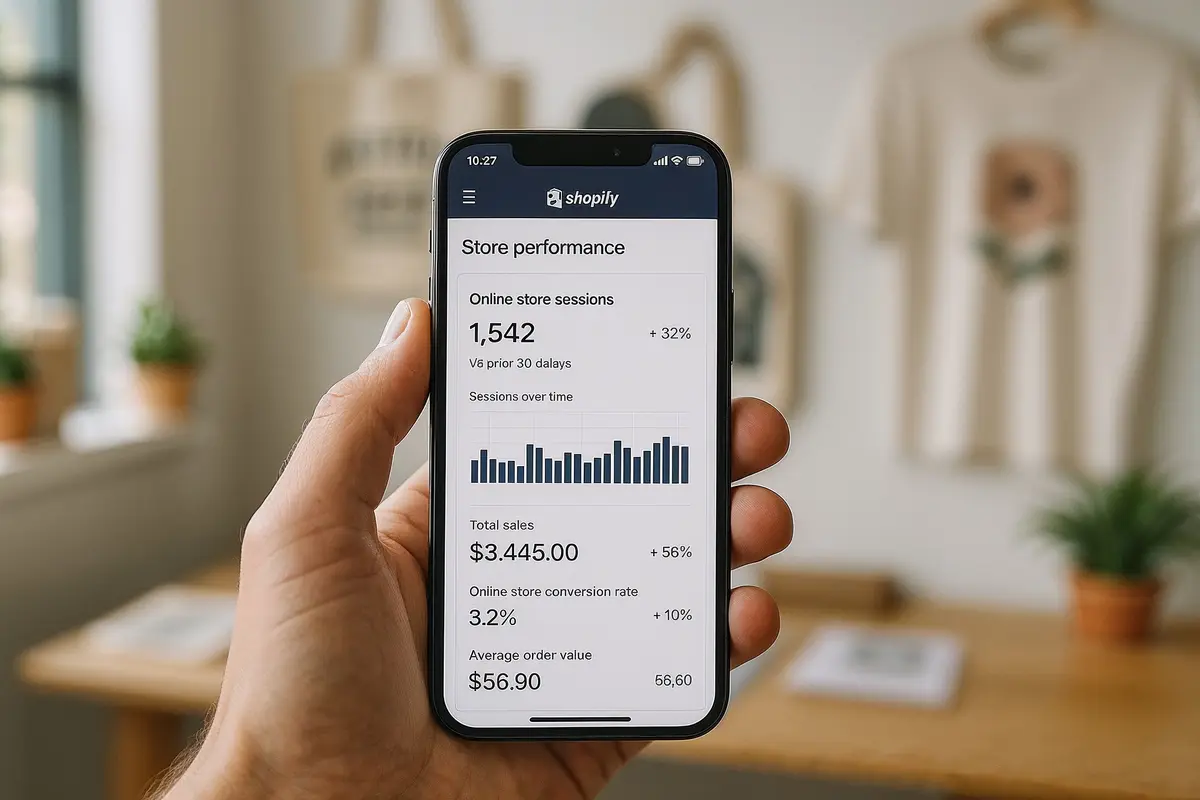
Use Google Analytics and Search Console to track your progress, identify opportunities, and address issues promptly. SEO is an ongoing process that requires regular attention and refinement.
Implementing these Shopify SEO tips for print on demand stores takes time and effort, but the results are worth it. Focus on building strong foundations first, then gradually implement more advanced strategies. Remember, SEO success compounds over time—the sooner you start, the better your long-term results will be.
Keep reading

Shopify & Ecommerce (DTG, POD) · 4 min read
How to Start an Online Business from Scratch: Complete Beginner’s Guide to Your First Sale

Shopify & Ecommerce (DTG, POD) · 4 min read
How to Start an Ecommerce Business: Complete Beginner’s Guide to Your First Sale

Shopify & Ecommerce (DTG, POD) · 4 min read